Welcome to RELI Group’s Leadership Spotlight series! In this series, we’ll delve into the background, passions and philosophies of some of Team RELI’s best and brightest minds. Each post includes the same five questions, offering a comprehensive glimpse into the folks that make RELI great.
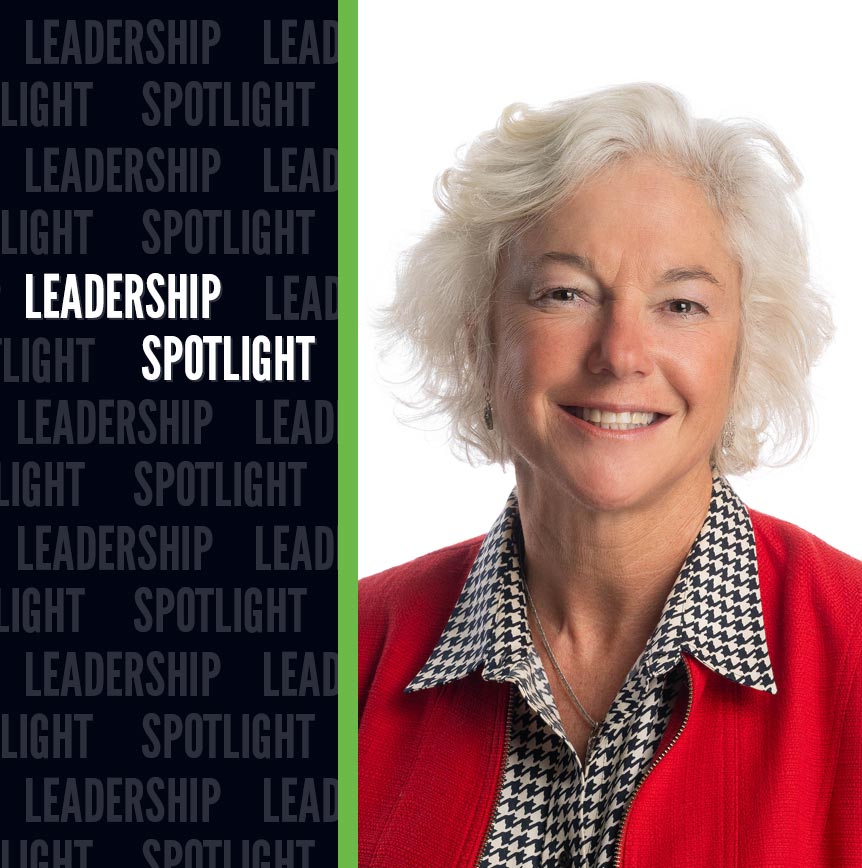
In today’s Leadership Spotlight, meet Merri-Ellen James, RELI Group’s Client Relationship Executive. Merri-Ellen is a senior healthcare executive with more than 20 years of experience driving complex federal programs, advanced technology initiatives and cross‑agency collaboration at the Centers for Medicare & Medicaid Services (CMS). She brings deep expertise in health informatics, program integrity, fraud prevention and Medicare and Medicaid operations. As a Client Relationship Executive at RELI Group, Merri‑Ellen applies her strategic vision and proven leadership to deliver innovative, mission-focused solutions that elevate healthcare program performance.
Can you share a pivotal moment in your career that influenced your path in public sector consulting?
One defining moment in my career was leading a large-scale partnership focused on strengthening healthcare program integrity. Working with government agencies and private organizations to tackle fraud and improve efficiency showed me the power of collaboration and data-driven strategies. That experience reinforced my commitment to public sector consulting and the impact of building strong partnerships to drive meaningful change.
What drives your passion for working in government contracting?
My passion for government contracting comes from the ability to influence programs that directly impact citizens’ lives. At CMS, I led multimillion‑dollar initiatives that strengthened program integrity and improved patient outcomes, reinforcing my commitment to effective public service. Contracting allows me to continue that mission by blending innovation with compliance to help agencies deliver better, more efficient and transparent services. At RELI, I’m able to apply my understanding of federal guardrails while using creative problem‑solving to propose practical, forward‑thinking solutions.
How do you approach leadership and team building?
I believe leadership is about creating an environment where people feel empowered and valued. I grew up youngest of seven and have always played in teams, so I approach leadership much like playing on a team. As captain or sometimes as a coach, positioning each person where they are their strongest, making it a priority that everyone can contribute so they feel invested and confident in the role they play on the team.
Throughout my career, I’ve managed cross-functional teams on complex federal projects, ensuring alignment on goals and accountability. I prioritize open communication, mentorship and fostering collaboration so that diverse perspectives drive innovative solutions.
What innovations or trends in the public sector excite you the most?
The public sector is undergoing a transformation, and I’m particularly excited about advancements in health informatics, interoperability and the integration of AI and data analytics. These trends have the potential to reduce administrative burden, enhance fraud prevention and deliver more citizen-centric services – areas I’ve championed throughout my career.
I also value AI’s ability to level the playing field by breaking down concepts into accessible, practical insights. When used responsibly, it can significantly increase productivity and help reframe challenges into actionable solutions.
Can you discuss a project or initiative you’re particularly proud of?
One initiative I’m especially proud of was leading a partnership to modernize how complex healthcare program information is shared and understood. This work brought together government agencies and private organizations to address long-standing challenges in how healthcare programs operate, including fragmented and inconsistent guidance that made processes difficult to navigate. It was a powerful example of how collaboration and persistence can drive meaningful change.
This experience taught me the importance of standing by an idea with confidence and patience, especially when it challenges established processes. By staying consistent and building trust over time, my team and I were able to guide a diverse and initially resistant group toward acceptance. It reinforced that innovation is not just about promoting something new, but about being practical about how it is received and doing the work necessary to socialize change.